
What have we learned from COP30?
After two weeks of negotiations in Belém, COP30 left behind a trail of familiar headlines: vague declarations, softened language on fossil fuels, and high-level pledges disconnected from binding mechanisms. While the location intended to be at the heart of the Amazon, symbolized urgency and planetary interdependence but the summit fell short of producing the systemic outcomes the moment demanded.
Despite mounting pressure from frontline communities, Indigenous leaders, scientists, and youth activists, COP30 ultimately failed to secure enforceable commitments on phasing out fossil fuels or delivering just climate finance at the scale and pace required. The roadmap to end deforestation remained fragmented, and loopholes in carbon offset markets continued to widen. Observers like Climate Change News and Global Landscapes Forum noted that while the summit marked important symbolic progress, it lacked the structural force to shift global climate trajectories.
Yet beneath the main stage, something else was happening.
Across Belém, on the rivers, in floating plazas, through music, storytelling, and collective action, projects emerged that were not waiting on permission. These initiatives, led by Indigenous communities, artists, organizers, and climate innovators, redefined what real climate leadership looks like. Their work challenged the hollow frameworks of performative diplomacy and rooted change in lived experience, creativity, and mutual care.
So instead of amplifying empty podium statements, we’re focusing on what matters.
Here are 10 projects that actually moved the conversation forward, brought justice into the room, and reminded us that while policy lags, culture and community are already leading:
1. We Make Tomorrow – Creative Climate Leadership at Scale
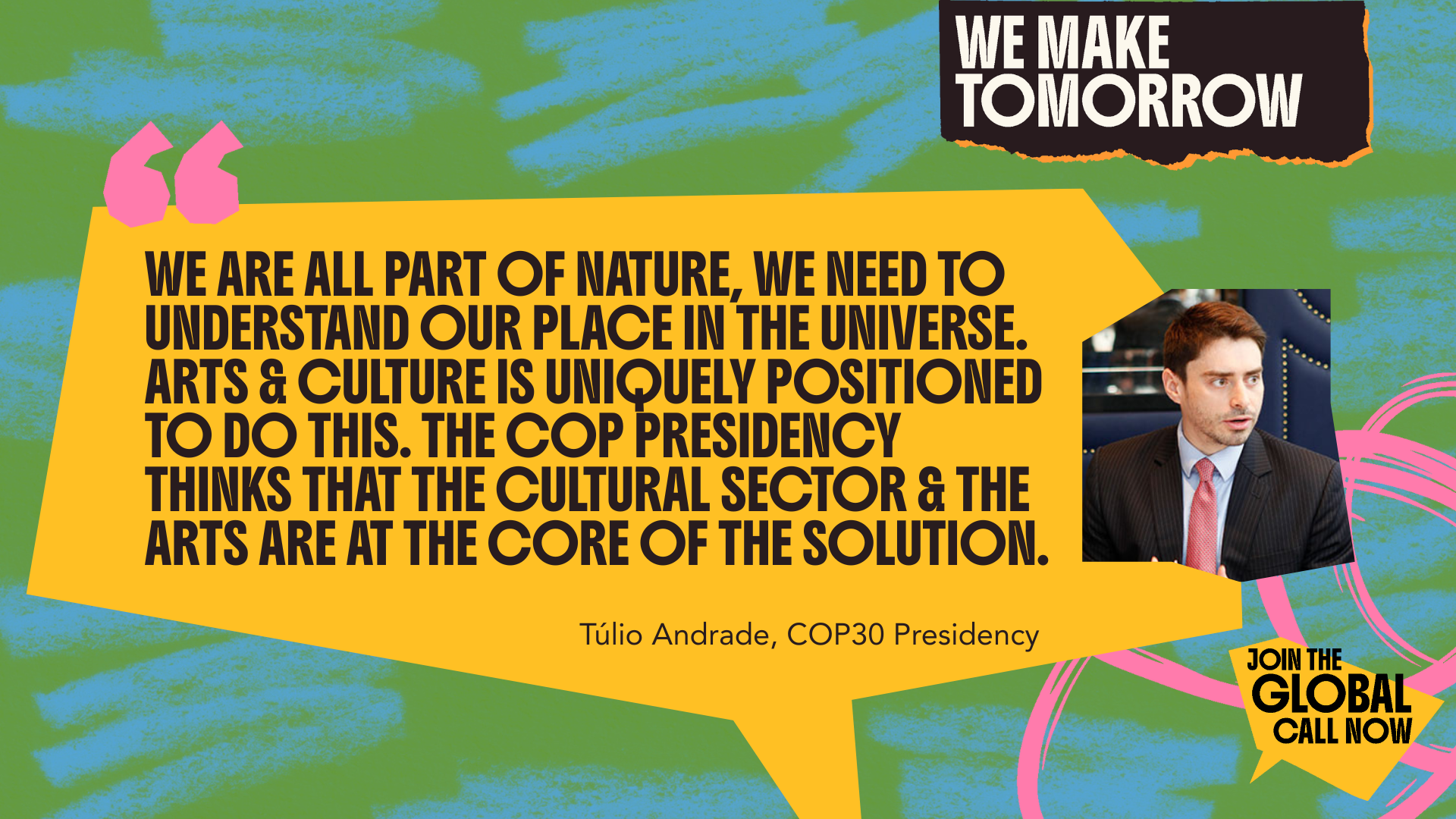
We Make Tomorrow is a long-term international initiative led by Julie’s Bicycle, focused on embedding climate justice, ecological literacy, and sustainability into the cultural sector’s operations, values, and public responsibility. Positioned within the global climate movement, it operates across cultural institutions, networks, and practitioners to transform how culture is produced, governed, and experienced in the context of environmental breakdown.
During COP30 in Belém, We Make Tomorrow convened cultural leaders, policymakers, and organizers to advance a shared agenda: reorienting the creative industries as strategic actors in the climate transition. Through a series of events, assemblies, and open forums, the initiative introduced concrete pathways for decarbonizing cultural infrastructure, advancing ethical touring practices, and shifting institutional power toward equity and accountability.
One of its key contributions at COP30 was the launch of a Climate Justice and Culture Declaration, a commitment signed by dozens of arts organizations across continents. The declaration outlines priorities such as carbon transparency, frontline solidarity, resource redistribution, and climate aligned cultural programming. It also supports the development of public policy that recognizes the arts as essential contributors to climate action and societal transformation.
Beyond the declaration, We Make Tomorrow provides open access toolkits and policy guides covering topics like environmental reporting, curatorial frameworks for ecological programming, procurement standards, and sustainable production logistics. The initiative collaborates with international partners to co-design structures for implementation, aiming to move beyond awareness into measurable systems change.
At its core, the work builds capacity within the sector to respond meaningfully to the climate crisis through operations, content, funding structures, and institutional governance. At COP30, it provided not only a platform for visibility but a strategy for transformation grounded in care, accountability, and long-term commitment.
🔗 wemaketomorrow.global
🔗 Julie’s Bicycle at COP30
2. Amazon Flotilla – Yaku Mama, A River-Led Political Intervention
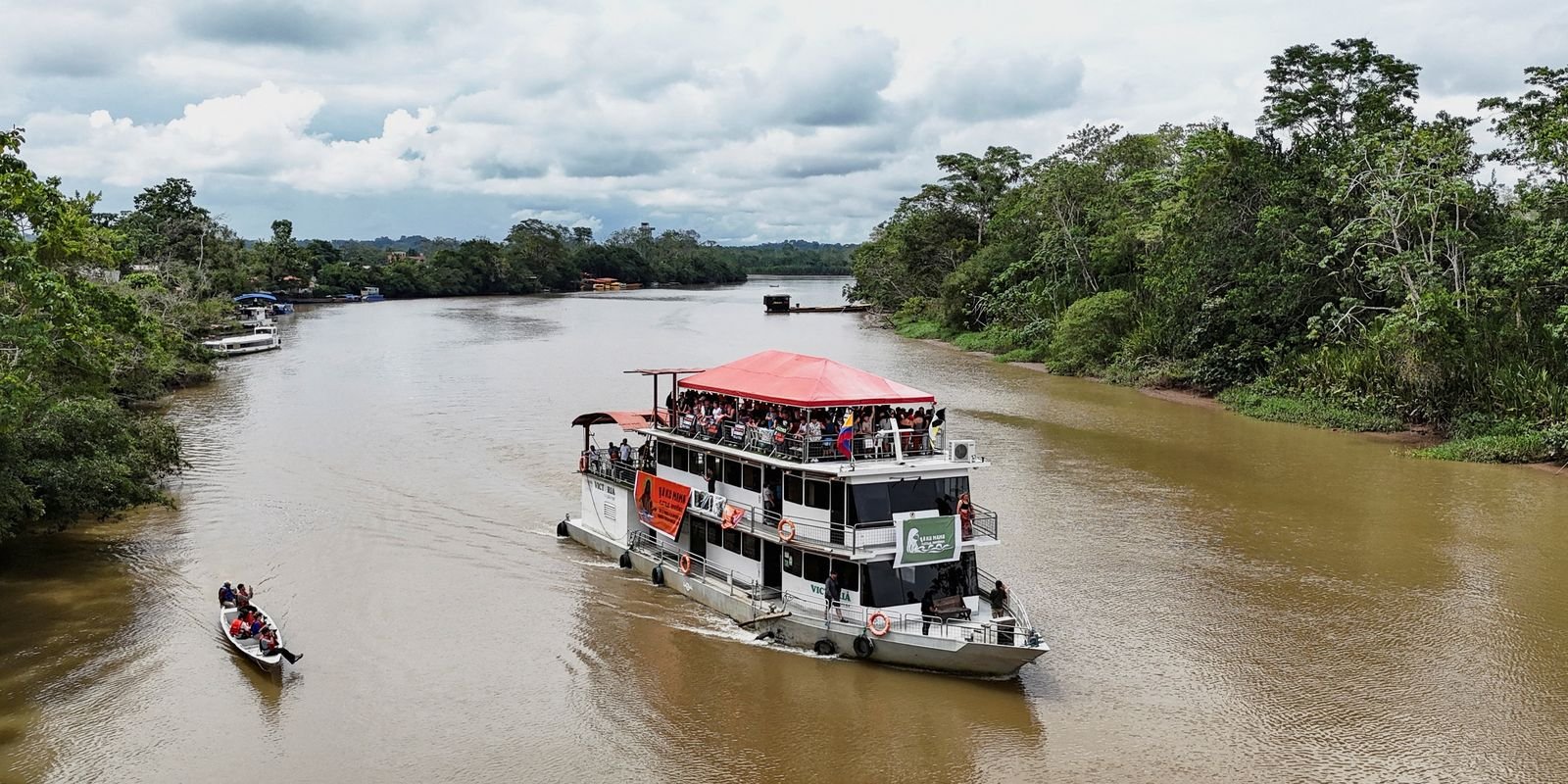
© Karen Toro - Yaku Mama Amazon Flotilla
During COP30, more than 100 Indigenous leaders and riverine communities undertook a 45-day journey along the Amazon River, traveling over 1,500 kilometers to Belém in a collective act of ecological, cultural, and political assertion. The Yaku Mama Amazon Flotilla—named after the spirit of the water, “Mother of the River”—brought visibility to a message that has long been ignored: you cannot decide the fate of the Amazon without the consent and leadership of those who live in it.
The flotilla functioned as a mobile site of diplomacy. Unlike official COP delegations that flew into Belém, this coalition arrived by canoe, weaving together the voices of the Kichwa, Shipibo, Achuar, Afro-descendant river communities, and allied organizations across Ecuador, Peru, Brazil, and Colombia. Their declaration demanded territorial recognition, an immediate halt to extractive operations on Indigenous lands, and climate finance mechanisms that directly support community governance, not bureaucratic intermediaries.
For many involved, the flotilla was a spiritual, cultural, and strategic act of reclamation. As Leo Cerda, Kichwa leader and one of the flotilla organizers, said:
“We came not as guests, but as people who are already doing the work, protecting the forest, defending water, and living sustainably. We are not invited into these rooms, so we brought the room to us. The river is our voice.”
Their arrival marked a powerful interruption in the flow of official narratives. While global negotiators continued to reference Indigenous knowledge rhetorically, the flotilla made its presence unavoidable, shifting COP’s geographic and symbolic center from formal venues to the banks of the river itself. This action reminded the world that the Amazon is not an abstraction or a carbon sink, it is a political territory, and its defenders are leading climate action with clarity and ancestral intelligence.
The Amazon Flotilla represents more than protest. It is a coordinated vision for a living Amazon governed by those with the deepest relationship to it, asserting that rivers, forests, and people are indivisible in any conversation about ecological futures.
🔗 amazonflotilla.quipa.org
🔗 Amazon Watch coverage
3. AquaPraça – Architecture That Breathes With the River
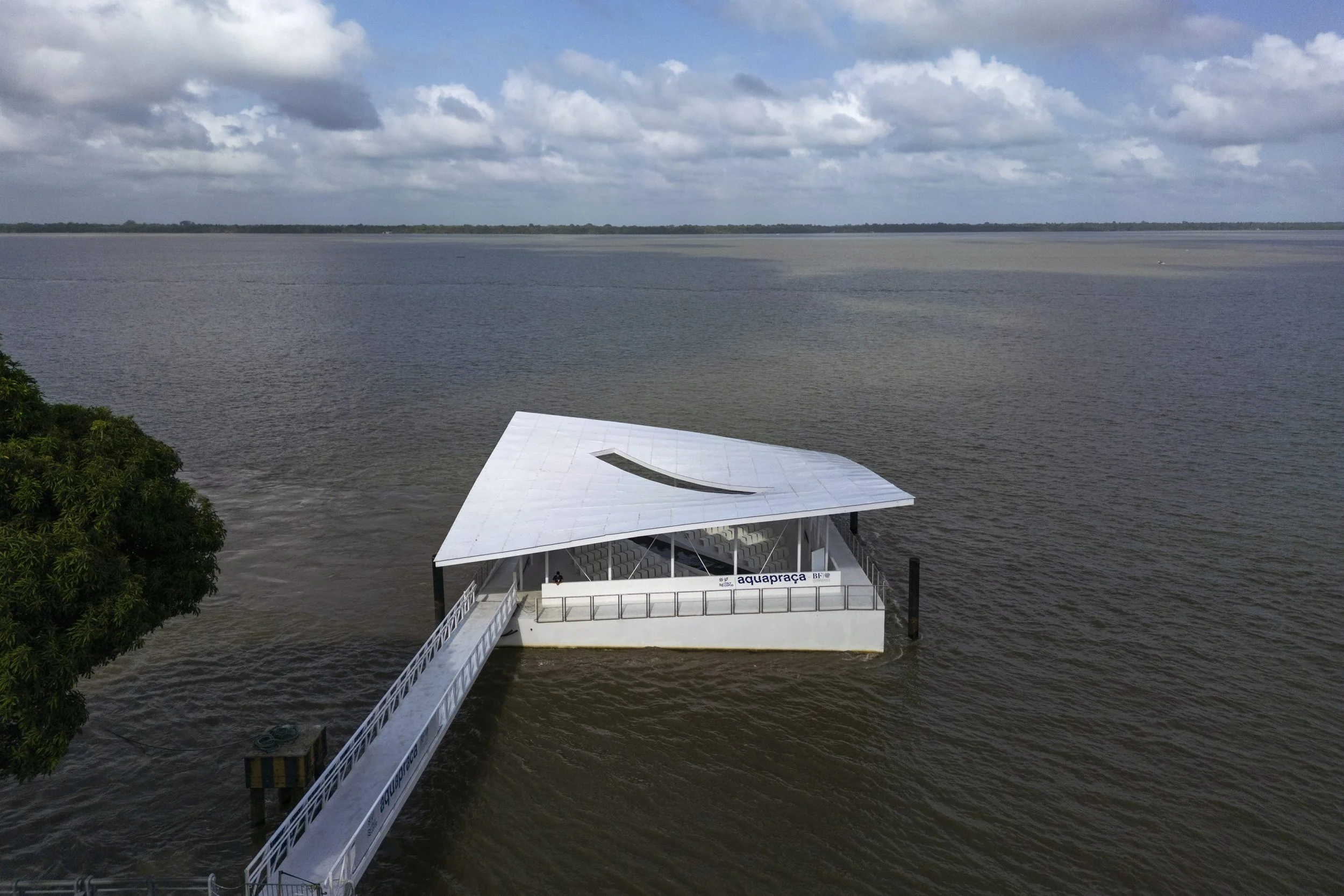
© 2025 Carlo Ratti Associati - AquaPraça at COP30
At the edge of Guajará Bay in Belém, Brazil, where the Amazon River meets the Atlantic Ocean, AquaPraça has emerged as one of COP30’s most emblematic spaces for public life, dialogue, and climate imagination. Designed by CRA-Carlo Ratti Associati and Höweler + Yoon, the floating cultural plaza was first unveiled during the Venice Biennale Architettura 2025. From there, it travelled both physically and symbolically to become the centerpiece of the Italian Pavilion at COP30, and will now remain in Belém as a permanent civic infrastructure.
For architect Carlo Ratti, AquaPraça represents an evolving dialogue: “We look to the future, exploring how to build with nature, not against it. The project was conceived as a journey: from Venice to Belém to a permanent role in the Amazon. This is the essence of circularity—reuse and reinvention over time.”
According to architect J. Meejin Yoon, the structure allows visitors to meet climate realities at human scale. “It’s a platform, both literal and figurative, for deepening our collective understanding of sea level rise and climate impacts.” By blending architectural clarity with social relevance, AquaPraça stands as a functional proposal for adaptive cities, where infrastructure mediates between water, climate, and public life.
The 400 square meter structure floats on the tides of the Amazon Delta, where water levels shift up to four meters daily. In Belém, AquaPraça hosted symposia, cultural programs, and public discussions, all within a space intentionally open to residents, international delegates, and artists. Unlike many of COP30’s formal spaces, it welcomed the city, creating a rare zone of accessibility during a highly secured summit.
AquaPraça became a symbol of climate diplomacy. “Ecology and freedom are not in contradiction, but part of a shared future,” said Minister Antonio Tajani at COP30, calling the floating square a gesture of friendship and cooperation between the two nations.
The initiative was made possible through an unprecedented coalition including the Italian Agency for Development and Cooperation, CIHEAM Bari, the World Bank Group’s Connect4Climate, and several private partners like Bloomberg Philanthropies, Costa Crociere, ENEL, and Ferrovie dello Stato Italiane. Following its debut, AquaPraça will be donated by Italy to Brazil, in partnership with the State of Pará, as a long-term site for cultural programming, community engagement, and public education around climate action and the creative industries.
🔗 Aqua Praça Project
🔗 World Architects article
4. Kara Solar – Energy Autonomy With Cultural Intelligence
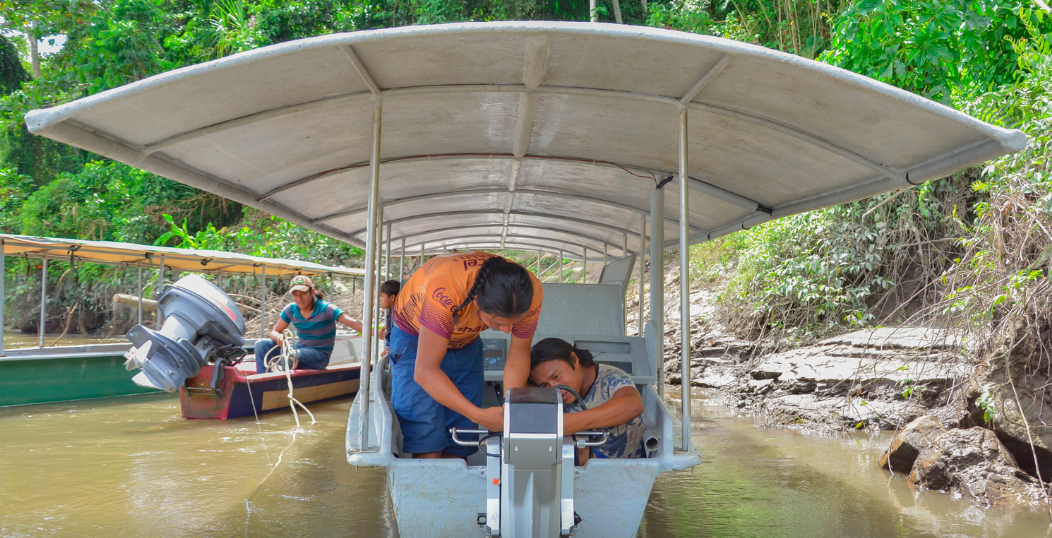
© 2025 Kara Solar - Experts innovate and provide maintenance to solar technologies in the Amazon
Kara Solar is a Kichwa-led transportation initiative from the Ecuadorian Amazon that responds to both the environmental urgency of the energy transition and the structural inequalities faced by remote Indigenous communities. Created in partnership with technologists, artists, and designers, the project introduces a network of solar-powered river canoes that replace fossil-fuel dependency with a locally governed, zero-emission mobility system.
In territories where movement depends entirely on boats and fuel prices are inflated by distance and corporate monopolies, Kara Solar provides a functional alternative shaped by ecological context and cultural coherence. The boats are designed to operate on the natural rhythms of the river. Each includes elements rooted in Kichwa storytelling, with names, designs, and navigation logic that reflect traditional knowledge and community values.
Beyond mobility, Kara Solar is a systems approach. It includes solar docking stations, transport software developed with community input, and a skills transfer component that trains youth to maintain and operate the infrastructure independently. This model resists dependency on external operators and embeds long-term capacity where it's most needed.
Presented at COP30, Kara Solar offered a grounded response to high-level climate rhetoric. It made visible the possibilities of energy sovereignty, where clean transport supports both territorial integrity and collective autonomy. This is not a pilot, but a functioning network, governed by Indigenous leadership and shaped by the land and water it serves.
🔗 karasolar.com
🔗 Kara Solar at COP30
5. David Suzuki Foundation – Calling Out Canada’s “Forest Illusion”
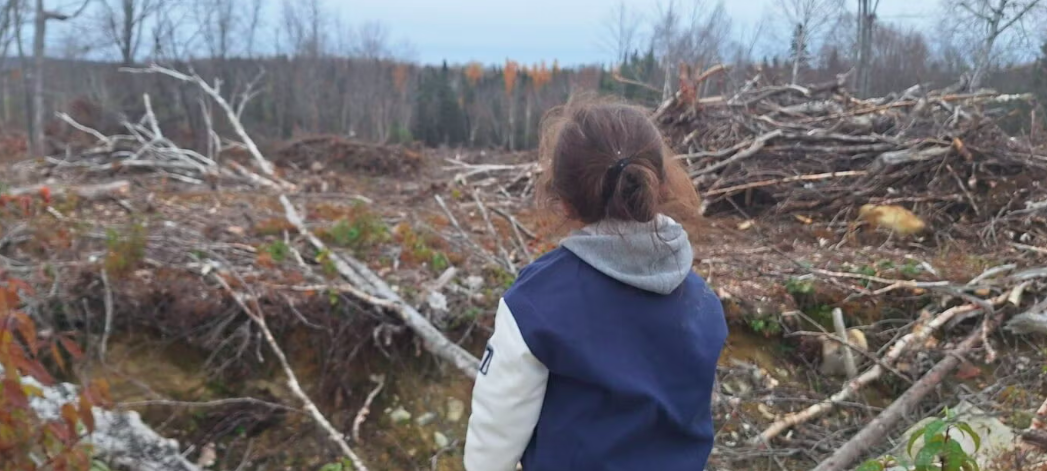
© 2025 Waba Moko, la Vérendrye Wildlife Reserve
At COP30, the David Suzuki Foundation (DSF) delivered a sharp critique of Canada’s climate narrative. Their intervention exposed the “forest illusion”, the misleading idea that Canada’s forest preservation efforts offset continued investment in extractive industries. DSF emphasized that genuine leadership can’t exist alongside ongoing industrial logging and the undermining of Indigenous jurisdiction.
Their Voices of the Americas campaign gave space to Indigenous leaders from Canada and across Latin America to share frontline perspectives, unfiltered and unapologetic. DSF’s presence wasn’t about representing these communities, it was about moving aside and amplifying them in rooms they are too often excluded from.
What made this intervention particularly impactful was its clarity. DSF didn’t shy away from calling out policy hypocrisy, nor did it dilute its messaging to remain “neutral.” At a summit that often rewards vague commitments, the Foundation brought forward data, context, and lived realities that pushed for structural change.
Their work at COP30 showed what accountability looks like when practiced through public platforms, storytelling, and critical solidarity. It’s a reminder that climate credibility starts at home.
🔗 Voices of the Americas
🔗 Forest Illusion article
6. Climate Finance for Justice – Rethinking Where the Money Goes
A key debate at COP30 centered on climate finance not in terms of how much, but in terms of who decides, who receives, and who controls its flow. The Amazonian delegation, backed by platforms like COICA and Sustainable Finance for Future, proposed an overhaul of the funding architecture to center justice, not just efficiency.
Their roadmap calls for direct, unrestricted climate finance to be routed to Indigenous-led funds and community-controlled mechanisms. These structures are already in place, governed transparently by people with decades of experience in territorial defense and ecological stewardship.
This proposal shifts the emphasis from participation to power. It challenges the notion that frontline communities must “apply” to international donors to manage their own ecosystems. Instead, it recognizes jurisdiction, autonomy, and lived expertise as foundational to both ecological resilience and financial accountability.
At COP30, this conversation pushed back against colonial funding pipelines and positioned reparative finance as non-negotiable. It reframed climate finance as a justice issue, where redistribution must go beyond symbolic representation and into the mechanics of real control.
🔗 Amazon finance roadmap
🔗 Belén Páez on LinkedIn
7. Climate Live Culture Pavilion – When Music Enters the Policy Room
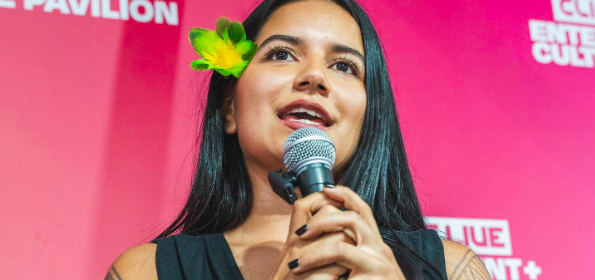
© 2025 Elizabeth Carpio - Helena Gualinga at Clime Live Culture Pavilion during COP3
0
At COP30, live music, nightlife, and cultural production were formally welcomed into the policy sphere through the Entertainment and Culture Pavilion, organized by Climate Live and LUMA Foundation. This space gave performers, curators, and cultural workers a platform to speak not just about their role in climate awareness, but about their operational realities and future-facing innovations.
Workshops covered sustainable touring, carbon-free logistics, and regenerative design for events. These weren’t conceptual discussions. They involved booking agents, sound technicians, festival producers, and artists breaking down the emissions, challenges, and responsibilities embedded in every stage of live production.
The pavilion also created a zone where people could connect beyond credentials. It opened the door for joy, grief, celebration, and presence, all within a political context that often forgets why this work matters. This was a collective experience in which culture both reflects and shapes.
What the pavilion offered was not an escape from COP, but a reentry point. It reminded participants that changing systems includes transforming how we gather, celebrate, and create meaning together.
🔗 Climate Live Culture Pavilion
8. Cool Earth – Humanizing Climate Narratives at COP30
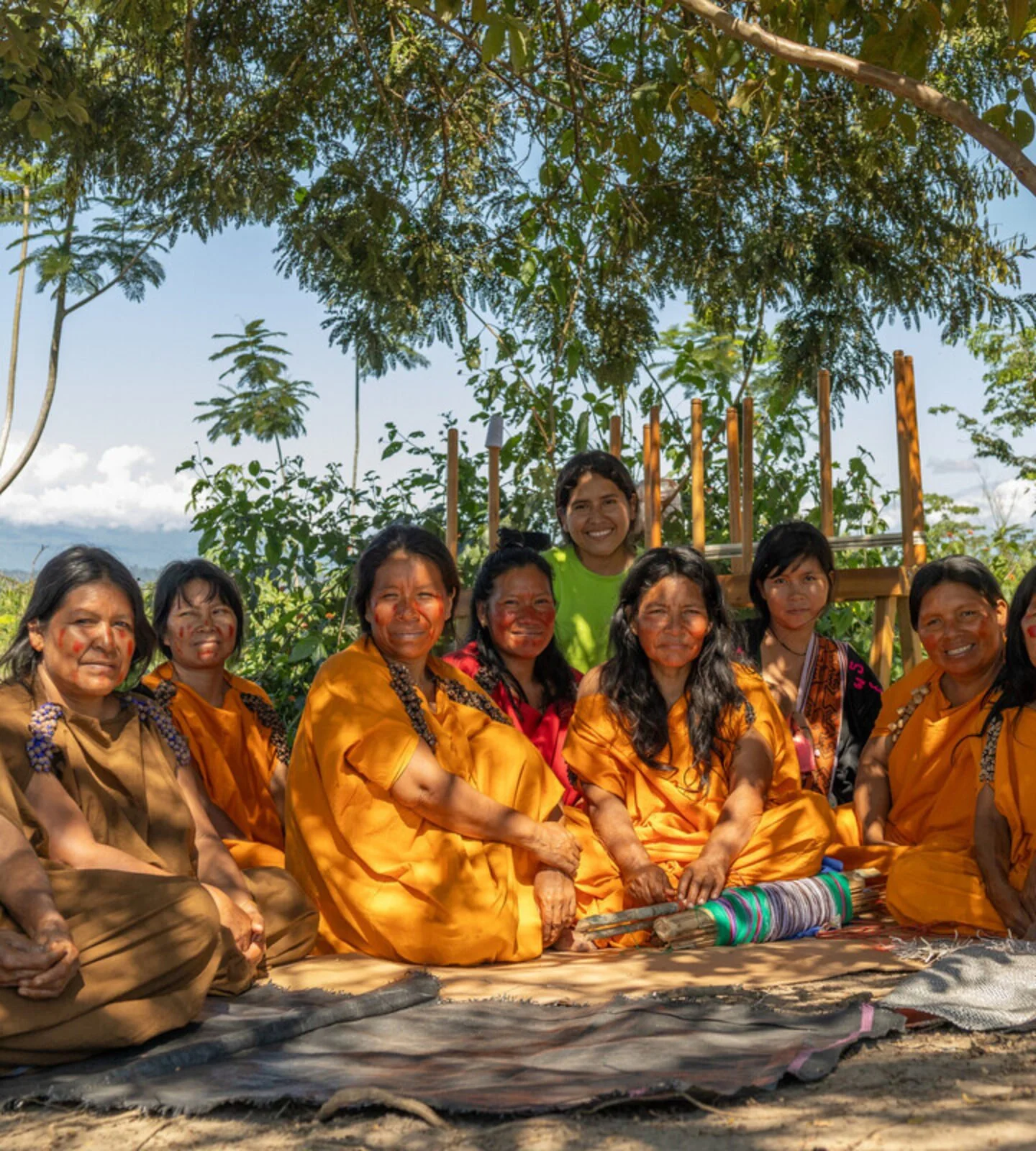
© 2025 Cool Earth - How Indigenous and Community Governance is Reshaping Climate Finance
Cool Earth’s presence at COP30 went beyond communications. Through projects like “A Bangla Lament,” they brought emotional testimony into policy spaces, creating interventions that shifted the tone of negotiations. These stories were told not through statistics, but through voice, song, and personal narrative, anchoring the data in lived experience.
One standout moment came when the voice of a Bangladeshi woman who had lost her home to rising seas was played during a plenary session. Her words, shared without fanfare, changed the energy in the room. It wasn’t a performance. It was a reminder of what is at stake.
Cool Earth also set up storytelling labs and trained Indigenous leaders in media engagement, ensuring they weren’t spoken for, but heard directly. Their approach focused on narrative sovereignty, treating story not as a tool, but as a right.
In a summit often dominated by market mechanisms and political ambiguity, Cool Earth showed what truth-telling can do when aligned with care, strategy, and presence. They didn’t offer case studies. They offered clarity.
🔗 Cool Earth at COP30
🔗 The Climate Watch coverage
9. Global Greengrants – Funding the Frontlines Without Strings
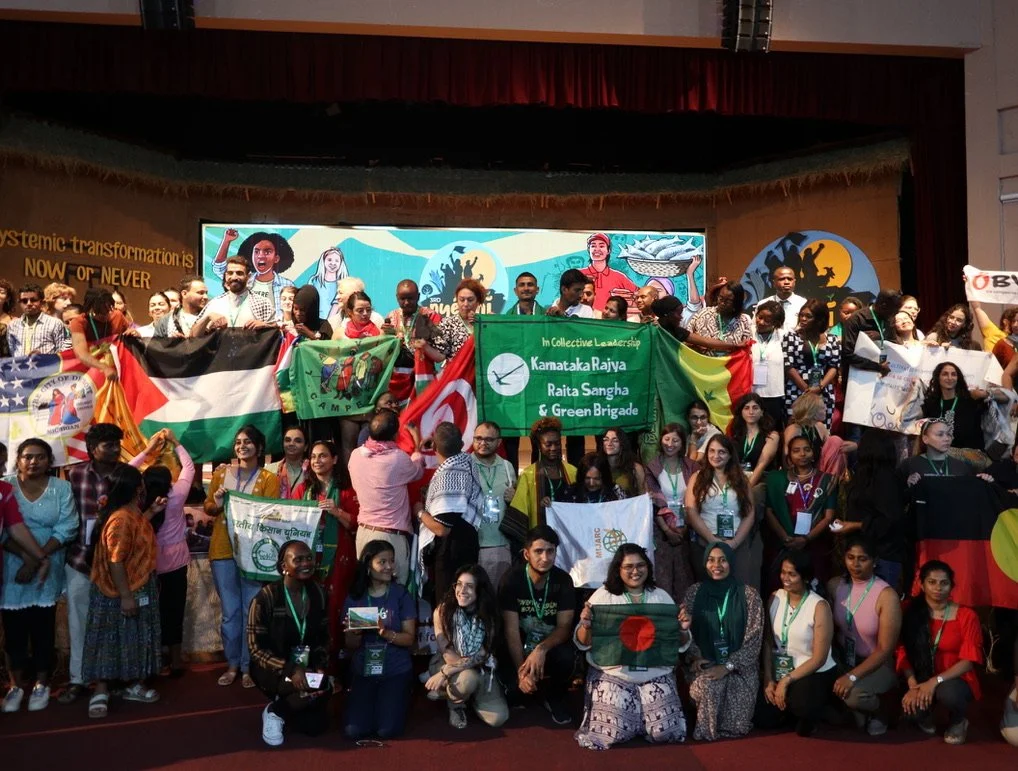
© 2025 Grassroots International
Global Greengrants Fund came to COP30 not with a pitch, but with a model that works. While others talked about billion-dollar pledges, they showed how targeted, flexible funding can reach frontline groups quickly and without bureaucratic hurdles.
Their system relies on local advisors embedded in regional movements who guide small-scale, high-impact grants to those who need it most: defenders, women-led agricultural collectives, LGBTQ2S+ climate groups, and youth organizers. These grants don’t require lengthy reports or jargon-filled proposals. They are based on trust, experience, and solidarity.
At a summit filled with top-down funding models, Greengrants reminded us that climate justice is local. Funding that reaches the frontlines enables communities to act without waiting for permission or translation.
The lesson here is simple: change happens faster when people closest to the problem have the means to act. If climate finance doesn’t learn from this model, it risks reinforcing the very inequalities it claims to address.
What can we do outside of COP?
- Organize & share
Collectif numérique responsable et soutenable (NRS) – Mutual Aid for the Cultural Sector
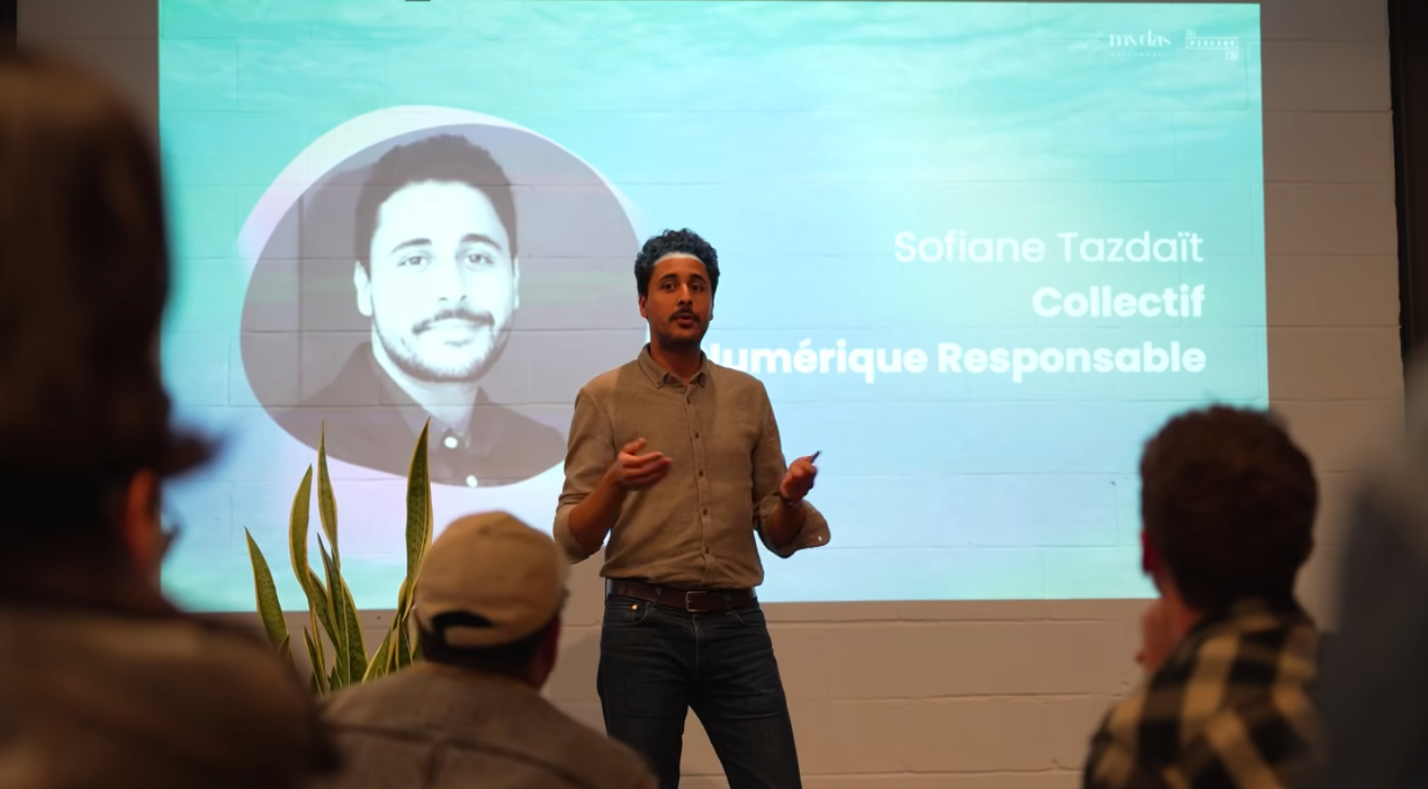
© 2025 Michael Jesus - Sofiane Tazdaït during Digital Earth Dialogues
Another important governance project that we want o shine light upon that came into our radar during Digital Earth Dialogues, just weeks leading up to COP30 was Collectif numérique responsable et soutenable (NRS) , they are carving out a critical space for practitioners across Quebec and Canada to reflect, connect, and act on one question: how do we make our digital practices compatible with a livable future?
To respond to this, they’ve launched a dedicated Slack workspace - in French mostly - offering an open, evolving infrastructure for dialogue, collaboration, and experimentation. It’s a move that feels timely and necessary. The Slack channel serves as a mutual aid platform for cultural workers, technologists, sustainability professionals, and public institutions navigating the complexities of digital responsibility.
This is a long-term ecosystem-building effort. Through curated channels, members can share resources, co-develop projects, explore carbon assessment tools, question extractive tech models, and reimagine how digital tools can support social and environmental transformation.
By creating this shared digital commons, the Collectif numérique responsable et soutenable (NRS) is doing more than coordinating best practices. They’re building a collaborative governance model for what digital responsibility can look like in practice: participatory, applied, and open to change.
This spaces ar built on the idea that collaboration doesn’t need to be institutionalized to be effective. The strength of the space lies in its accessibility. You don’t need a title or an affiliation to join. What matters is your interest in connecting culture and climate through action, not theory. From emerging artists looking to green their practice to technologists sharing climate tracking tools, the platform holds space for diverse forms of knowledge.
Global networks like Work On Climate or Climate & Culture Connect offer english language sector-spanning spaces for professionals shifting toward climate-aligned careers, including subgroups for media, art, and environmental storytelling. And for those seeking to go deeper, the Climate Slack Communities Directory provides a regularly updated map of dozens of open and semi-open channels across climate tech, activism, finance, and governance. These platforms are living infrastructures for mutual learning, collaboration, and bottom-up climate governance.
🔗 Join Collectif (NRS)Slack
🔗 Visit Collectif numérique responsable et soutenable (NRS)
